

Week 8 – Honesty & Self-Reflection: The Doorway to Lasting Change (MAP to Victori Weekly Series)
The Light That Breaks Through Shadows
There's a moment in every recovery journey where the walls we've built around ourselves begin to crack. Not from external pressure, but from something far more powerful: the simple act of telling the truth. Honesty isn't just a virtue in recovery; it's the very foundation upon which lasting change is built. Like sunlight breaking through storm clouds, truth has a way of illuminating paths we never knew existed.
The Big Book speaks to this with profound clarity: recovery begins the moment we stop lying to ourselves. This isn't about perfection or brutal self-criticism. It's about recognizing that the stories we tell ourselves: the gentle edits, the softened truths, the comfortable omissions: often become the very barriers between us and the life we're fighting to build.
Think of honesty as oxygen for the soul. When we hold our breath, when we live in the space between what is and what we pretend to be, we slowly suffocate the very parts of ourselves that need room to grow. But when we exhale truth, when we name what's real without polish or pretense, we create space for healing to begin.

The Daily Practice of Truth
Recovery teaches us that transformation happens in the small moments, the daily choices that seem insignificant but compound into something profound. A daily honesty practice isn't about dramatic confessions or life-altering revelations. It's about the quiet courage to look at yourself for sixty seconds each day and simply notice: without judgment, without shame: where truth got bent.
This practice starts with the smallest observations. Maybe today you said you were "fine" when you were actually overwhelmed. Perhaps you blamed traffic for being late when you simply didn't leave on time. These micro-moments of dishonesty aren't moral failures; they're human habits that, when left unchecked, can grow into walls between us and authentic living.
The beauty of a daily honesty check-in lies in its simplicity. Each morning or evening, you pause and ask yourself: "Where did I soften the truth today?" Then, instead of judgment, you choose one small adjustment for tomorrow. Replace a defensive phrase with a truthful one. Admit tiredness instead of blaming others for your irritability. Tell the accurate time it takes to complete a task.
These seemingly insignificant changes train something deeper than behavior: they train integrity. Each honest moment becomes proof that you can trust yourself, that you're building a life sturdy enough to stand on truth rather than the shifting sands of convenient fiction.
The Power of Shared Truth
There's something magical that happens when we move truth from the private space of our minds into the shared air of relationship. Isolation is the breeding ground for shame, but connection has a way of transforming our heaviest truths into bridges toward healing.
Sharing doesn't require perfection or complete transparency with everyone in your life. It starts with choosing one safe person and offering one honest line: a feeling you've been carrying, a fear you've been avoiding, a small truth you've been polishing into something more comfortable. The practice is simple: pick the truth, pick the person, and speak it clearly.
When you bring truth into the open, two powerful things happen simultaneously. The truth itself begins to lose its power to control you, and you gain strength through the act of speaking it. Secrets grow in darkness, but they shrink in the light of honest conversation. This isn't just recovery wisdom: it's human wisdom that applies to every aspect of building an authentic life.

Facing the Hard Places
Every person has corners of their life where honesty feels most challenging. For some, it's finances: admitting the real state of spending, debt, or financial fears. For others, it's relationships: acknowledging hurt feelings, setting boundaries, or expressing needs directly. Some find honesty hardest around emotions, admitting vulnerability or struggling with feelings they believe they "should" have overcome.
The courage to identify where truth feels hardest isn't about immediately fixing everything. It's about naming the location of the challenge so you can begin to navigate it intentionally. When you can say, "I struggle with honesty around money" or "I have trouble being truthful about my feelings," you've created a map. And maps, however uncomfortable the territory they reveal, give you the power to move forward deliberately.
The fear that lives behind dishonesty is deeply human. We lie, soften, and omit because we're afraid: of judgment, of loss, of rejection, of being seen as less than we believe we should be. Naming this fear doesn't make it disappear, but it does transform it from an invisible force controlling your choices into something you can recognize and respond to consciously.
The Evidence of Growth
Recovery isn't just about avoiding old patterns: it's about recognizing and celebrating new ones. There's profound power in pausing to remember times when honesty changed a moment for you. Maybe you admitted you were wrong and repaired a relationship. Perhaps you asked for help and received it. Or you stopped pretending to understand something and learned something valuable instead.
These memories aren't just pleasant reflections: they're evidence. Proof that truth heals. Proof that honesty, even when it feels risky, tends to create better outcomes than carefully crafted deceptions. When you collect these moments and keep them accessible, you create a personal library of courage that you can draw from when the old voice tempts you to hide.
Gratitude for honest moments trains you to choose truth again. Each time you remember how honesty helped: reducing shame, improving a relationship, bringing peace to a restless mind: you strengthen the neural pathways that make honesty feel like the natural choice rather than the difficult one.
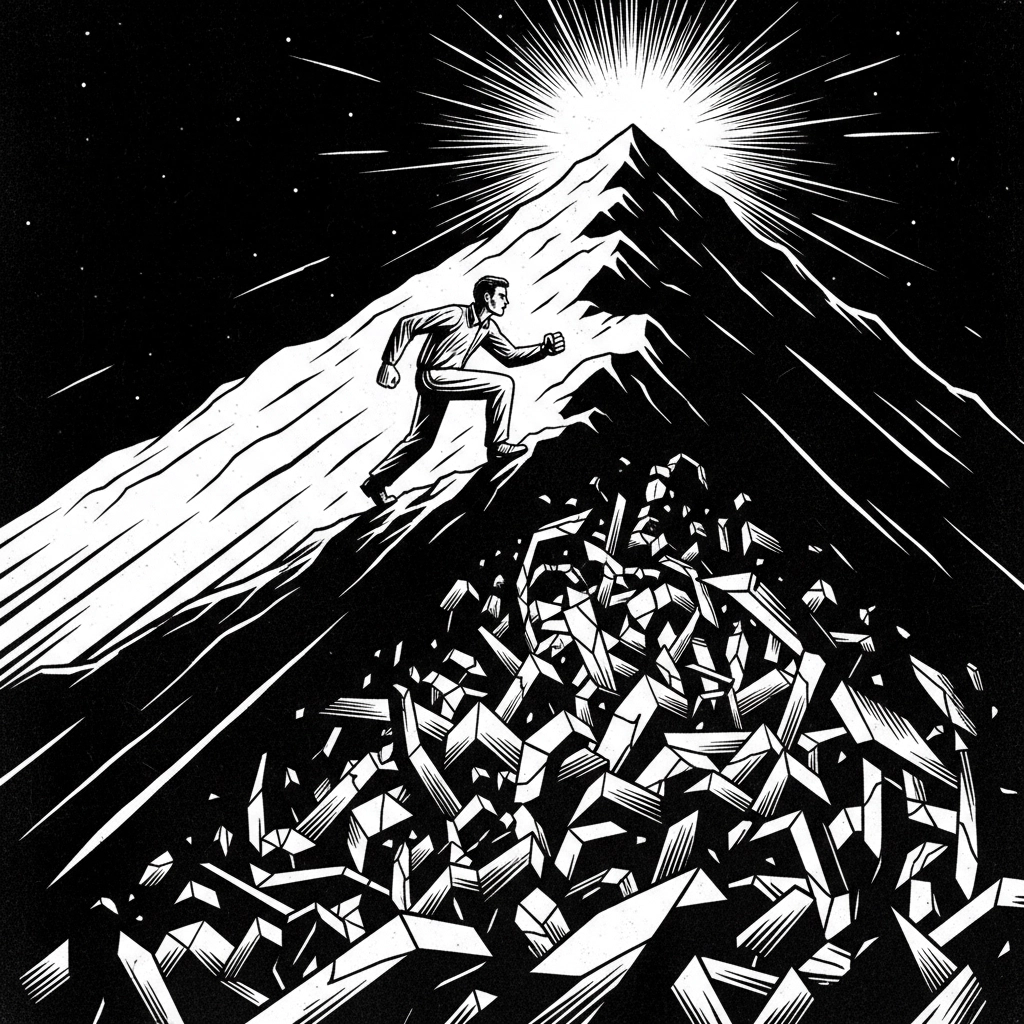
Moving Beyond Fear
The fears that fuel dishonesty are rarely about the present moment: they're about anticipated futures we want to avoid. Fear of being judged. Fear of losing something important. Fear of being seen as inadequate or broken. These fears are real, and they deserve acknowledgment rather than dismissal.
But here's the transformative question: What would change if that fear didn't steer your choices? Imagine recovery without the fear of judgment. Picture relationships without the fear of rejection. Consider personal growth without the fear of being seen as imperfect. This isn't about eliminating fear: it's about deciding to act courageously in spite of it.
Courage isn't the absence of fear; it's the decision to choose truth even when fear is present. When you can name the fear that drives your dishonesty and then take one honest action anyway, you're practicing courage in motion. You're proving to yourself that fear doesn't have to be the final word in your story.
The Face Everything And Rise message captures this perfectly: recovery isn't about avoiding difficult emotions or challenging truths. It's about developing the strength to face whatever comes with honesty and integrity.
Building Your Honest Future
As this week of reflection draws to a close, take a moment to appreciate the courage it required to look honestly at yourself. Recovery asks for steady truth, not perfection. Every moment you chose authenticity over comfort, every time you named reality instead of softening it, every instance you shared truth instead of hiding: these are victories worth celebrating.
The practice of honesty doesn't end with a single week of focus. It becomes the foundation for everything else you're building. Choose one honest practice to carry forward: a daily check-in, an accountability text with a trusted friend, or a nightly journal line where you capture one truth from your day.
Consider sharing one learning from this week with your sponsor, group, or support system. Teaching strengthens the lesson, and your honesty might be exactly what someone else needs to hear. When you speak your truth, you don't just free yourself: you become a bridge for others still struggling in silence.
Recovery is built one honest moment at a time. Today, tomorrow, and every day after that, you have the opportunity to choose truth over comfort, authenticity over approval, and integrity over convenience. This isn't always easy, but it's always worthwhile.
You're not walking this path alone. The Not Alone message reminds us that honest living connects us to a community of people who understand that truth, even when difficult, is the doorway to lasting change.
Reflection: Consider one area of your life where honesty feels challenging. What would one small, truthful action look like in that area?
Action Step: Choose one honest practice from this week: whether it's a daily check-in, sharing with a trusted person, or naming a fear: and commit to continuing it for the next seven days.
Remember, every honest moment is a victory. Every truthful choice builds the foundation for the life you're creating. Keep going, one honest step at a time.
#MAPtoVictori #Honesty #TruthHeals #RecoveryJourney #OneDayAtATime #SelfReflection #CourageToChange