

Week 12 – Humility: Choosing Honesty Over Shame (MAP to Victori Weekly Series)
When most of us first hear the word "humility" in recovery, we cringe a little. Our minds immediately go to shame, self-deprecation, or making ourselves smaller. We picture groveling, endless apologies, or shrinking into the background. But here's the truth that changes everything: real humility in recovery isn't about shame at all. It's about honest acceptance of where you really are.
This week's journey through the Big Book pages 70-76 reveals something revolutionary, humility is actually the pathway to freedom, not another form of self-punishment. It's about seeing ourselves clearly and kindly: strengths, flaws, needs, and all. It's about dropping the exhausting performance of trying to look "fine" while falling apart inside.
The Prison of Managing Our Image
For years, so much of our active addiction was about managing an image. We became masters at looking okay while chaos reigned internally. We perfected the art of seeming in control while our lives spiraled. We learned to smile and nod while screaming on the inside.
In recovery, humility invites us to lay that heavy burden down. It asks us to notice where we're still trying to look "fine" instead of being real, whether that's in a meeting, at work, or with family. The beautiful thing about humility is that it doesn't require us to tell our whole story to everyone. It simply asks us to drop the mask a little, to choose truth over image in small, manageable ways.

Think about it: every time you admit you're tired instead of pretending you're energized, every time you say "I don't know" instead of bluffing your way through, every time you acknowledge you're struggling instead of performing strength, humility grows, and shame loses its grip. This isn't about becoming a doormat; it's about becoming real, not perfect.
When Mistakes Become Teachers
Here's where humility gets really practical: we're going to mess up in recovery. The difference now is what we do next. Humility doesn't deny the mistake or drown in it, it owns it, learns from it, and moves forward.
Consider a recent misstep: maybe a sharp word with someone you care about, a broken promise, or a missed commitment. The old way might have been to either attack yourself mercilessly or deny it completely. Humility offers a third option: "I did that. It wasn't who I want to be. I'm willing to make it right."
This approach transforms mistakes into teachers instead of life sentences. If an amend is needed, humility helps us plan one small step toward it, an apology, a changed behavior, or a difficult phone call. The goal isn't perfection; it's progress through honest acknowledgment.
Softening Our Relationships
Humility has the power to transform every relationship in our lives. It lets us say "I was wrong," "I'm sorry," or "I need help" without collapsing into shame. These simple phrases become bridges instead of walls.
Think of one relationship where your pride has made you defensive, distant, or silent. What would humility look like there today? Maybe it's listening instead of trying to prove a point. Perhaps it's admitting your part without immediately listing theirs. Sometimes it's simply saying, "I care about us, and I'm trying."
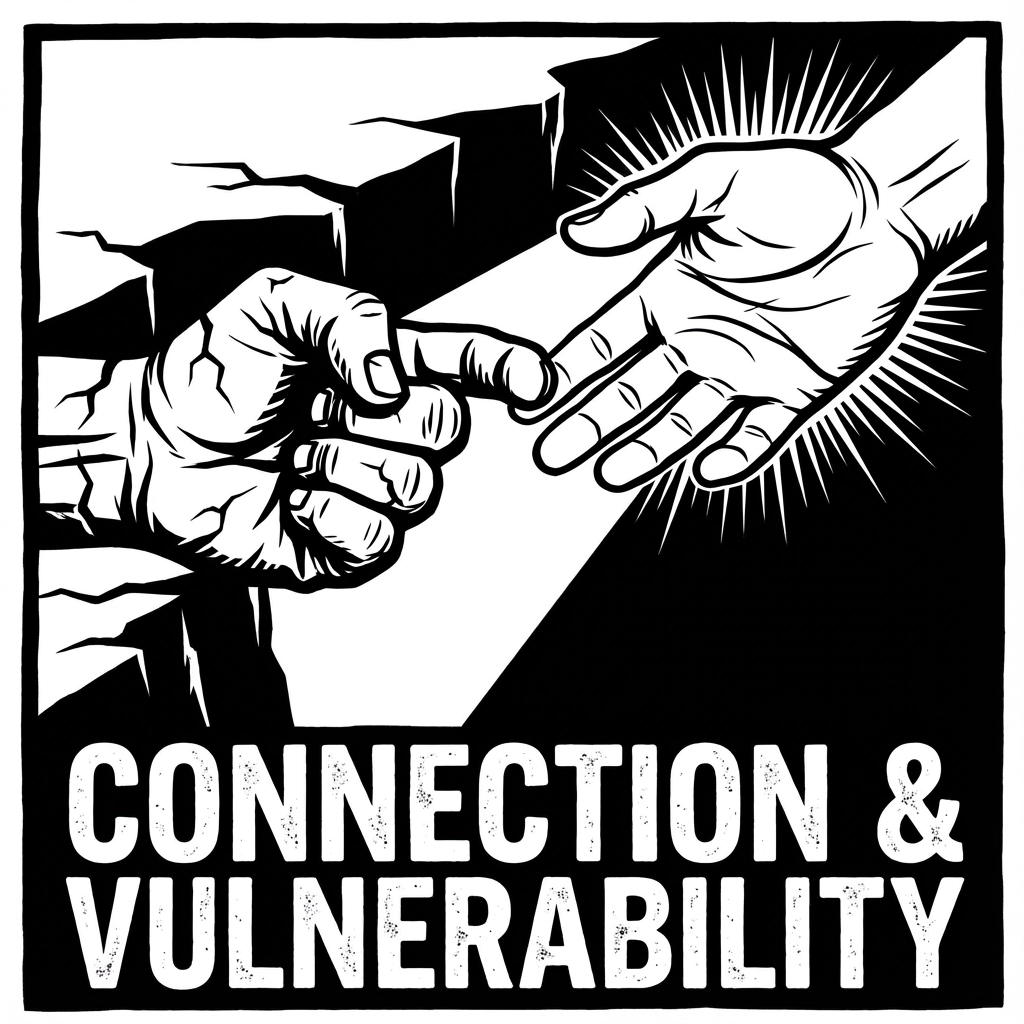
Humility doesn't make you smaller in relationships, it makes genuine connection possible. When we let one wall down, even just a little, we create space for something real to grow.

Knowing Our Limits
One of the most liberating aspects of humility is learning to admit our limits. In addiction, many of us tried to play God, controlling everything and everyone around us. Recovery teaches us to say, "I can't do it all, and I'm not meant to."
This might show up as recognizing when you're pushing past your limits: taking on too many commitments, refusing rest, or saying yes when you desperately mean no. Humility empowers us to honor our boundaries. It helps us say no kindly, ask for help without shame, and take breaks without guilt.
Admitting "I can't carry this alone" isn't weakness: it's wisdom. It creates space for our Higher Power and our recovery community to show up and support us. This is the foundation that makes sustainable recovery possible.
This Week's Challenge: One Truth, Two Conversations
Here's your invitation for the week: Admit one truth about yourself to a safe person and to your Higher Power. Not your darkest secret or your worst moment: just one honest truth about where you are right now.
Maybe it's admitting you're scared about something specific. Perhaps it's acknowledging that you've been struggling with loneliness. It could be confessing that you don't have it all figured out, despite appearances.
Choose your safe person wisely: perhaps a sponsor, a trusted friend in recovery, or a therapist. Then find a quiet moment to share that same truth with your Higher Power, however you understand that presence in your life.
The Spiritual Side of Humility
At its core, humility in the steps is about our relationship with a Power greater than ourselves. It's recognizing that we're not running the universe anymore: and honestly, that's actually a relief.
You don't have to feel particularly holy or spiritual to practice this. Humility is simply showing up as you are and letting your Higher Power be big enough for both your mess and your growth. It's having honest conversations about where you're scared, where you're stubborn, and where you're grateful, then saying, "I'm willing to be guided."
This isn't about perfect faith or flawless prayer. It's about the willingness to admit that your way hasn't always worked and that maybe, just maybe, there's wisdom available beyond your own understanding.
Living Humbly, Growing Daily
As you move through this week, notice where humility naturally shows up. Pay attention to the moments when you choose honesty over image, truth over control, or admission over pretense. Write down three specific instances where you practiced humility: not to judge yourself, but to acknowledge your growth.
This practice isn't about groveling or diminishing yourself. It's about standing honestly in the truth of who you're becoming. Real humility is empowering because it's based in reality, and reality is the only place where genuine change can happen.
Remember, you don't have to be perfect to be worthy of recovery, love, or second chances. You just have to be willing to be real. Every time you choose humility over shame, truth over performance, or honesty over image management, you're building a life that can actually sustain itself.
As you carry this week's lessons forward, choose one simple humility practice to maintain: perhaps a daily truth check-in with yourself, a regular willingness to say "I was wrong" when needed, or a short prayer acknowledging your need for guidance.
Humility isn't about becoming less than you are: it's about becoming exactly who you're meant to be, one honest moment at a time. And in a world that often rewards pretense over authenticity, choosing to live humbly is actually the most courageous thing you can do.
Your recovery depends on it. Your relationships will flourish because of it. And your peace of mind will thank you for it.
Ready to wear your recovery with pride? Check out our Face Everything and Rise collection that celebrates the courage it takes to live authentically.