

Recovery Symbols That Inspire: Meaning & Purpose
Table of Contents
- What Recovery Symbols Mean and Why They Matter
- The Recovery Triangle Meaning and the Three Legacies
- AA Symbol Meaning: The Circle and Triangle Explained
- Beyond AA: Other Powerful Recovery Symbols
- Sobriety Tattoo Ideas: Choosing a Symbol for Permanence
- Sober Stickers for Water Bottles and Daily Reminders
- Sobriety Chips, Tokens, and Milestones
- Choosing a Symbol That Fits Your Recovery Journey
- Frequently Asked Questions
Last Updated: October 12, 2026
What Recovery Symbols Mean and Why They Matter
A recovery symbol is a visual representation, worn, displayed, or carried, that anchors a person's commitment to sobriety and healing. These symbols serve as quiet reminders during difficult moments, tangible proof of progress, and declarations of identity.

The power of a recovery symbol lies in psychology, not magic. Seeing a meaningful image repeatedly triggers memory pathways connected to your recovery journey.
Recovery symbols vary widely. Some are rooted in tradition, like the Alcoholics Anonymous circle and triangle; others are personal creations. Healthcare workers in addiction treatment often wear recovery apparel to signal their commitment and connect with the people they serve.
At MAP to Victori, we understand recovery is not a solitary journey. Our apparel and accessories are visible reminders of your strength and purpose. Whether you're 30 days or 30 years sober, a recovery symbol that resonates becomes part of your identity.
The Recovery Triangle Meaning and the Three Legacies
The recovery triangle is the geometric heart of Alcoholics Anonymous symbolism, representing three interconnected principles: recovery, unity, and service. Each point stands for one legacy, creating a balanced framework for sustainable sobriety.
Recovery is the first legacy: the personal transformation that happens when someone stops drinking and begins rebuilding their life, symbolizing commitment to sobriety and ongoing healing.
Unity is the second legacy: the power of community and shared experience. Addiction isolates; recovery connects. No one recovers alone, and collective strength creates resilience individual effort cannot match.
Service is the third legacy: giving back strengthens recovery. By sponsoring others, volunteering, or being present for someone struggling, people in recovery discover purpose beyond their own healing.
The three legacies are not sequential; they operate simultaneously and reinforce each other. Personal recovery benefits from unity; unity strengthens through service; service deepens recovery. This balance is why the triangle is equilateral, each side equal in importance.
AA Symbol Meaning: The Circle and Triangle Explained
The AA symbol combines a circle with an equilateral triangle at its center, one of the most recognizable emblems in recovery communities. The circle represents wholeness, continuity, and the unbroken cycle of recovery, symbolizing that sobriety is an ongoing practice, not a destination.
The triangle nested inside the circle represents the three legacies: recovery, unity, and service. Together they form a visual statement: these three principles are the continuous foundation of the AA recovery symbol and the program itself.
Historical Origins and Evolution
The AA symbol meaning emerged in the early decades of Alcoholics Anonymous, developing organically from the program's core concepts. AA was founded in 1935, but the circle and triangle evolved gradually as the fellowship grew.
The recovery triangle meaning predates the modern graphic by decades. Early AA members discussed recovery, unity, and service long before they were standardized into a single visual symbol. As AA expanded internationally, the circle and triangle design emerged as a natural representation of these ideas.
Over time, the AA symbol has been rendered in countless variations, minimalist or ornate. The core meaning remains constant: the three legacies working together within the unbroken cycle of recovery. Its strength lies in its clarity and universality.
Cultural and Personal Interpretations
While the AA symbol meaning is rooted in the program's formal structure, individuals interpret it through their own cultural and spiritual frameworks. For some, the circle represents divine protection or spiritual wholeness. For others, it's purely secular, representing continuous effort and community support.
Many people add personal touches, combining the AA circle and triangle with religious imagery, personal initials, or sobriety dates. These personalized versions maintain the core recovery symbol meaning while honoring the individual's journey.
The recovery triangle meaning also resonates differently depending on a person's role. Someone newly sober might emphasize recovery; a sponsor might emphasize service; a community organizer might emphasize unity. All three interpretations are valid.
Beyond AA: Other Powerful Recovery Symbols
While the AA circle and triangle hold deep significance for many, recovery symbols have expanded far beyond Alcoholics Anonymous, reflecting diverse spiritual beliefs, cultural backgrounds, and personal narratives.

The Phoenix: Renewal and Transformation
The phoenix is perhaps the most universal recovery symbol outside traditional 12-step programs. This mythological bird dies in fire and is reborn from its own ashes, a metaphor appearing across cultures and centuries for transformation and resilience.
For people in recovery, the phoenix symbolizes the death of addiction and the emergence of a new self. Recovery is not simply quitting a substance; it is a complete metamorphosis. The person you were while addicted is gone, and the person you become is fundamentally different.
The phoenix works particularly well for people who experienced a dramatic rock bottom. The imagery of fire and destruction mirrors their experience, and the rebirth mirrors their transformation. Many choose phoenix tattoos or apparel as a permanent declaration.
The Semicolon: Continuing Through Hardship
The semicolon project emerged as a mental health and suicide prevention movement, but its meaning extends into addiction recovery. A semicolon represents a pause in a sentence: the writer chose to continue rather than end the story. For people in recovery, it symbolizes the choice to keep living, keep fighting, keep going.
This symbol is particularly meaningful for people whose recovery journey involved suicidal ideation or self-harm. The semicolon says: "My story did not end. I chose to continue." It's small and discreet, ideal for those who prefer subtle recovery symbols over bold declarations.
The Lotus Flower: Growth and Resilience
The lotus flower grows from muddy water and blooms pristine above the surface. In Buddhist and Hindu traditions, it represents enlightenment and spiritual awakening, the soul rising above material suffering. For recovery communities, it symbolizes growth through adversity.
The lotus appeals to people seeking a recovery symbol rooted in Eastern spirituality or nature-based imagery. Unlike the phoenix's drama, the lotus suggests gradual, patient growth, a powerful alternative for those who prefer quiet resilience.
The Green Ribbon: Mental Health and Awareness
The green ribbon is widely recognized as a symbol of mental health awareness and support. While not exclusively a recovery symbol, it holds deep meaning for people whose addiction is intertwined with mental illness, which is most people in recovery.
Addiction and mental health conditions often co-occur. Wearing a green ribbon acknowledges this intersection and signals solidarity with others navigating both challenges, working well in professional and community settings where explicit recovery symbols might feel too personal.
Sobriety Tattoo Ideas: Choosing a Symbol for Permanence
A sobriety tattoo is a permanent declaration. Unlike a sticker or token you can remove, a tattoo lives on your skin as a constant, visible affirmation of your commitment to recovery.
Choosing a sobriety tattoo requires thought beyond aesthetics. The symbol should resonate with your recovery story, not just look good. Ask yourself: Does this represent my values? Will the meaning hold in five or ten years?
Common sobriety tattoo ideas include the AA circle and triangle, the phoenix, the semicolon, the lotus flower, sobriety milestone dates, or personal imagery.
Consider placement carefully. A visible tattoo on the forearm, neck, or hand makes a public statement; a private location like the chest, inner arm, or back keeps the symbol close without broadcasting it. Both are valid.
Work with a tattoo artist who understands recovery symbolism. Share your story, and a skilled artist will refine your vision so the final design honors both the symbol's traditional meaning and your personal journey.
Sober Stickers for Water Bottles and Daily Reminders
Sober stickers for water bottles are among the most practical and visible recovery symbols. You touch a water bottle multiple times daily, refilling it, carrying it, seeing it on your desk.

Stickers work well because they're affordable, replaceable, and non-permanent. If a design stops resonating, peel it off and choose another. This flexibility makes stickers ideal for people exploring different recovery symbols or whose identity evolves over time.
The best sober stickers for water bottles feature bold, clear designs that stay visible even when partially covered or worn. High-quality vinyl ensures durability through repeated washing and daily use.
MAP to Victori offers recovery-focused stickers designed for exactly this purpose.
Another option is our Progress Over Perfection sticker, which pairs the message "The darkness wasn't the end, it was the beginning. Rise. Grow. Become." with high-contrast black-and-white imagery of a sprout breaking through cracked stone.
Sobriety Chips, Tokens, and Milestones
Sobriety chips and tokens are physical milestones, small coins or medallions earned at specific intervals of continuous sobriety. Rooted in AA, where chips mark months and years of sobriety, holding one is a tactile affirmation of progress.
Awarding sobriety chips serves multiple purposes. For the recipient, it's recognition and celebration; for the community witnessing it, inspiration and accountability.
Sobriety tokens typically follow a standard progression: 30 days, 60 days, 90 days, six months, nine months, one year, then annually. Different programs may use different intervals, but the principle is the same: marking measurable progress.
Many people carry sobriety chips in a pocket or bag, touching them during difficult moments as a grounding practice. Others display them at home or work as visible proof of their recovery symbol and commitment.
The emotional weight of a sobriety chip is significant. It represents not just the days of sobriety, but the effort, choices, and support that made them possible.
Choosing a Symbol That Fits Your Recovery Journey
Selecting a recovery symbol is a personal decision that should reflect your values, spiritual beliefs (or lack thereof), and vision of what recovery means to you.
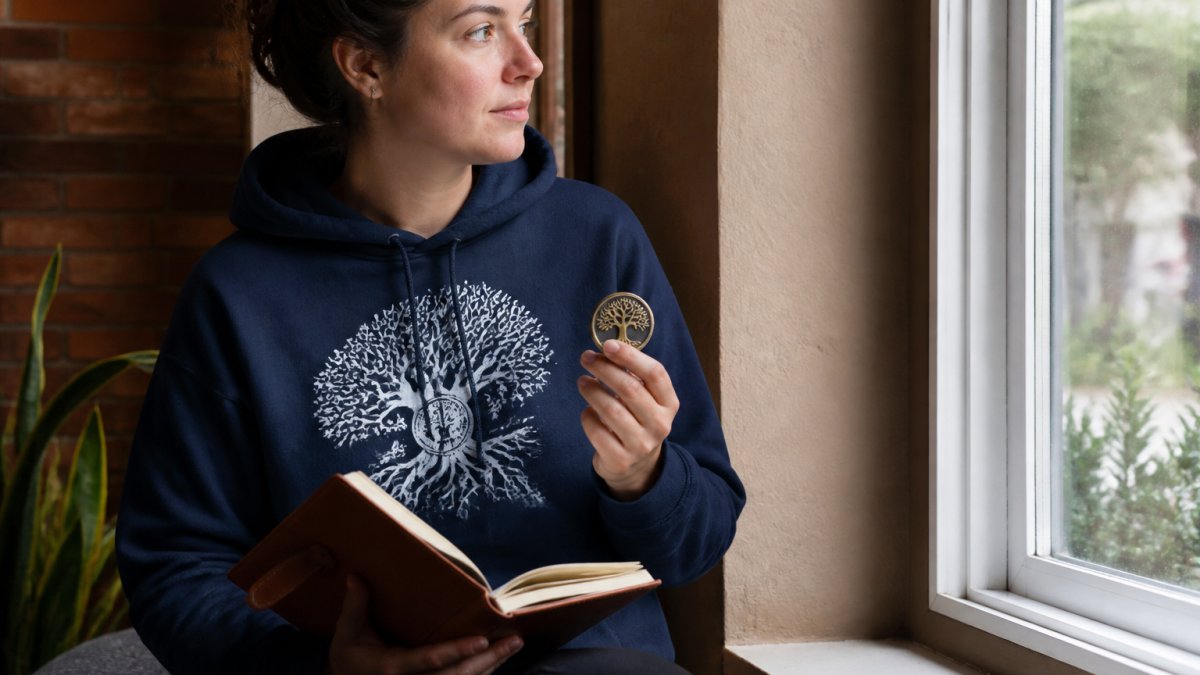
Start by asking what resonates. Do you connect with AA's structured tradition, making the circle and triangle your symbol? Does the phoenix's dramatic transformation mirror your experience?
Consider also how you want to carry your symbol. A visible tattoo is a permanent, public declaration. A sticker on your water bottle is visible but replaceable.
Your recovery symbol may change over time, and that's okay. Someone newly sober might need the bold statement of a phoenix tattoo.
The most important factor is intention. Choose a symbol because it means something to you, not because it looks good or someone else recommends it.
If you're drawn to apparel as your recovery symbol, consider our Recovery Cotton T-Shirt.
Choosing a recovery symbol is choosing to make your commitment visible, to yourself first and your community second.
Frequently Asked Questions
What does the recovery symbol circle and triangle represent?
The circle and triangle, known as the AA symbol, represents the three core principles of recovery: unity (the circle binding the community together), recovery (the triangle's point reaching upward toward healing), and service (the triangle's base grounding the commitment to help others). The equilateral triangle emphasizes balance among these three legacies, while the circle symbolizes wholeness and the continuous nature of the recovery journey. This symbol has become an icon across 12-step programs and recovery communities worldwide.
What recovery triangle meaning should I know before getting a tattoo?
The recovery triangle meaning centers on three interconnected principles: recovery (personal healing and growth), unity (connection with others in recovery), and service (helping others on their path). Before committing to a recovery triangle tattoo, consider whether all three principles resonate with your recovery philosophy. Some people add personal touches, dates, names, or modified designs, to make the symbol uniquely theirs. A tattoo serves as a permanent reminder, so ensure the placement and design align with how you want to carry your recovery identity in daily life and professional settings.
Are sober stickers for water bottles actually effective for staying sober?
Sober stickers for water bottles serve as visual reminders and conversation starters that reinforce your commitment to sobriety, but they work best alongside professional support like therapy, counseling, or support groups. A sticker on your water bottle catches your eye multiple times daily, offering a moment of pause and reflection. However, symbols alone cannot replace structured recovery work. They function as motivational anchors, tools that strengthen your resolve when combined with active engagement in your recovery program, community connection, and professional guidance.
What recovery symbol should I choose if I'm not connected to AA?
Recovery symbols extend far beyond AA. The phoenix represents transformation and new beginnings; the semicolon symbolizes continuing despite hardship; the lotus flower embodies growth through adversity; and the green ribbon represents mental health awareness. Choose a symbol based on what resonates with your personal recovery story. Consider your values, your spiritual or cultural background, and the specific meaning you want to carry. Many people create hybrid designs that blend multiple symbols or add personalized elements like dates, initials, or colors that hold significance to their journey. Your recovery symbol should feel authentic to you, not imposed by tradition.